General information only — not medical advice. Every person’s treatment plan is different. Please follow your own treating team’s advice.
Radiotherapy is one of the most common cancer treatments, yet it is also one of the most misunderstood. Many people arrive at their first appointment carrying ideas they have picked up from friends, family, or the internet — and some of those ideas are worrying in ways they do not need to be. This article takes five common myths, one at a time, and sets out what is actually true.
Myth 1: “Radiotherapy makes you radioactive, so you must stay away from your family.”
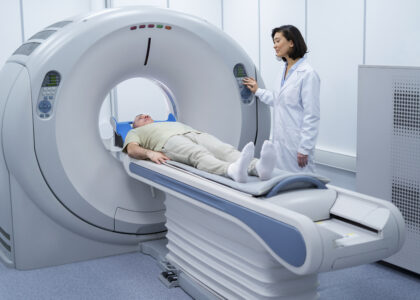
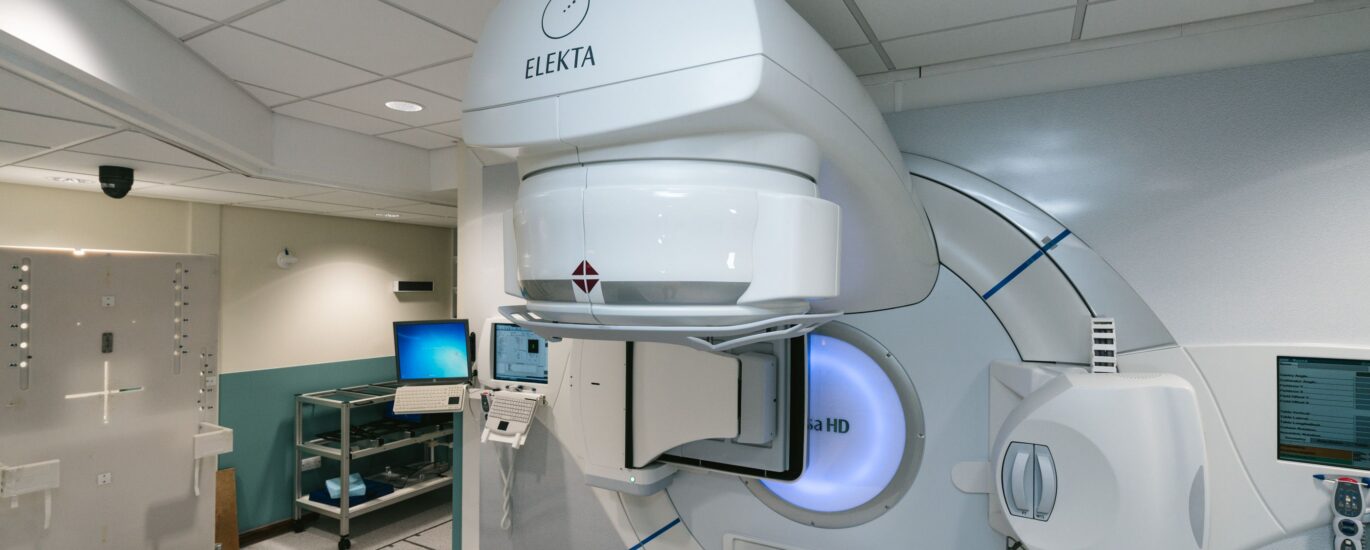
The fact: With the most common kind of radiotherapy — external beam radiotherapy, where the radiation comes from a machine outside your body — you do not become radioactive. The radiation passes through you during the treatment and then stops. Once the machine is switched off, there is nothing left in your body to pass on to anyone else.
That means it is safe to hug your children, sit next to your partner, share a meal, and sleep in the same bed as usual after your treatment. You do not need to keep your distance from pregnant women, babies, or older family members. If you ever have a different kind of radiotherapy — for example, a treatment where radioactive material is placed inside the body — your team will tell you clearly, in advance, whether any precautions are needed, and for how long. For standard external radiotherapy, there are none.
If you have been avoiding close contact with the people you love, please ask your team to confirm this for your own treatment.
Myth 2: “Radiotherapy burns you.”
The fact: Radiotherapy can irritate the skin in the treated area, and that irritation can look and feel a bit like sunburn — red, dry, sore, or itchy. But it is not a burn in the way a hot stove or boiling water burns you, and the skin is not being burned away.
The reaction happens because the radiation affects the skin cells in the area being treated, and it usually builds up gradually over the weeks of treatment rather than appearing all at once. Your team checks your skin regularly, and there are simple things that help: gentle washing, moisturising as your team advises, wearing loose clothing, and protecting the area from the sun.
For most people, the skin reaction settles over the weeks after treatment finishes. If the skin becomes very sore, or breaks or blisters, tell your team straight away.
Myth 3: “Radiotherapy is only for when nothing else works.”
The fact: Radiotherapy is often one of the first treatments offered, not a last resort. It is used to cure some cancers, to shrink a tumour before surgery so the operation is easier, to lower the chance of cancer coming back after surgery, and to relieve symptoms such as pain when a cancer cannot be removed.
In some situations, radiotherapy is the main treatment — for example, for many head and neck cancers, and for cancers where surgery would be very difficult or would cause a great deal of harm. In other situations, it works alongside surgery, chemotherapy, or other medicines, each doing a different part of the job.
If your oncologist has suggested radiotherapy, it is because they believe it is the right treatment for your situation at this point — not because other options have run out. If you are unsure why it has been suggested for you, ask.
Myth 4: “Radiotherapy always causes hair loss and sickness.”
The fact: Whether you lose hair or feel sick depends on where the radiotherapy is given, not on radiotherapy in general. Hair loss only happens in the area being treated — so radiotherapy to the breast does not cause the hair on your head to fall out, and radiotherapy to the pelvis does not either. Hair loss on the head happens mainly when the brain or the scalp itself is being treated. Even then, it may be patchy rather than complete, and hair often grows back after treatment, although it may come back a different texture or colour at first.
Feeling sick (nausea) is similar. It is more likely when the stomach or the brain is in the treated area. Many people having radiotherapy to other parts of the body do not feel sick at all. When nausea is expected, your team can give medicines to help prevent or control it — tell them if it is happening, rather than putting up with it quietly.
The most common side effect of radiotherapy overall is tiredness, and even that varies a great deal from person to person. Some people feel almost normal throughout treatment; others need to rest more. Side effects are also usually temporary, and your team will explain which ones to expect for the part of the body being treated in your case.
Myth 5: “A bigger dose is always better.”
The fact: It is natural to think that more must mean more effective, but with radiotherapy, the dose is carefully chosen to balance two things: treating the cancer, and protecting the healthy tissue around it. A higher dose is not automatically better — it can also mean more side effects, and more damage to healthy organs, without necessarily helping more.
Your oncologist, together with a physicist and dosimetrist, designs a dose and a number of sessions that is right for your tumour, its position, its size, and what treatment you have already had. Sometimes a smaller number of larger sessions is used; sometimes a larger number of smaller sessions. Both approaches are planned with the same care, and the choice depends on your individual situation.
If you hear that someone else had a different number of sessions, it does not mean their treatment was stronger or weaker than yours. It means their cancer, and their body, needed a different plan. If you are worried your treatment is not enough, ask your team to explain why your plan was chosen.
The bottom line
Radiotherapy does not make you radioactive, it does not burn you, it is not a last resort, it does not always cause hair loss or sickness, and more is not always better.
If you have heard something about radiotherapy that worries you — whether it is on this list or not — bring it to your next appointment. Your team would far rather answer a question, however small it seems, than have you carry a worry home with you.
This article is general information for patients and families. It does not replace advice from your own doctor, nurse, or radiographer. If you are unsure about anything in your treatment plan, please ask your treating team.