General information only — not medical advice. Every person’s recovery is different. Please follow your own treating team’s advice.
Finishing radiotherapy is a big moment, and many people expect to feel relieved — and then find themselves feeling something more complicated. Relief, yes, but also tiredness, worry, and a strange sense of being left on your own after weeks of daily visits and regular check-ins. All of that is normal. This article explains what usually happens after treatment finishes, how recovery tends to go, and where to turn if you need help.
Recovery is gradual, not instant
Radiotherapy keeps working in the body for some time after the last session, and side effects do not always stop the day treatment ends. In fact, some side effects — such as skin soreness, a sore mouth, or tiredness — can feel at their worst in the first week or two after finishing, before they start to improve. Most side effects settle gradually over the weeks and months that follow, although the pace is different for everyone.
If you feel you are going backwards rather than forwards, or if a new symptom appears, tell your team.
Follow-up appointments and scans
After treatment, you will not be left on your own. Your team will arrange follow-up appointments — at first, fairly often, and then less often as time goes on. At these visits, your doctor will ask how you are feeling, examine the treated area, and check for any late side effects.
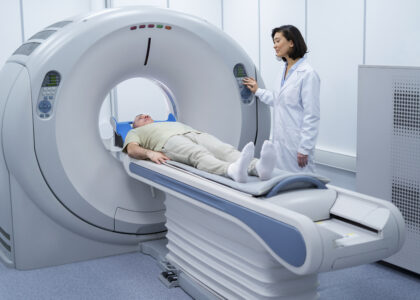
Scans are sometimes part of follow-up, but not always, and not on a fixed schedule for everyone. Your team will explain whether scans are needed for you, what kind, and when. Waiting for scan results can be one of the hardest parts of follow-up — the worry that the cancer might have come back is very common. If waiting is hard for you, tell your team.
Follow-up is also your chance to ask questions — about anything, not just the cancer. Bring a list if it helps, and bring someone with you if you would like support.
Late effects can appear months later
Some side effects of radiotherapy appear not during treatment, but months — or sometimes longer — after it finishes. These are called late effects, and they depend on which part of the body was treated. They might include ongoing dryness, stiffness, swelling, or changes in how an organ works.
Your team will explain which late effects are possible for you, and what to watch for. That is one reason follow-up continues for a long time after treatment, and why it matters to keep your appointments even when you feel well. If a new symptom appears months or years after treatment, tell your team, or your family doctor, and let them work it out.
Getting your energy back
Tiredness — fatigue — is one of the most common experiences after radiotherapy, and it can linger after treatment ends. It is not the same as ordinary tiredness: rest does not always fix it, and it can come in waves. For most people, energy returns gradually over weeks to months.
Gentle, regular movement often helps more than complete rest — a short walk each day, building up slowly, is a good place to start. Eating well, keeping a regular sleep routine, and pacing yourself also help. A separate article on this site explains fatigue in more detail.
Returning to work, exercise, and food
Many people wonder when they can go back to work, to exercise, or to eating normally. There is no single answer — it depends on your job, your treatment, and how you are feeling.
Some people return to work soon after treatment, sometimes starting with shorter days or lighter duties. Others need longer. Talk with your team and, if it helps, with your employer about a gradual return.
Exercise is similar: start gently, build up slowly, and listen to your body. Eating usually returns to normal gradually too — taste and appetite often take a few weeks to settle, and a balanced diet, rather than any special “cancer diet”, is what your team will usually recommend.
The emotional side
Finishing treatment can bring feelings that catch people by surprise. Some feel flat, anxious, or low once the daily routine of treatment stops. Some worry constantly about the cancer coming back. Some feel guilty for not feeling happier, or for feeling tired when they expected to feel better.
All of these feelings are common, and none of them mean you are coping badly. It can help to talk — with a family member, a friend, your team, a counsellor, or a survivor group, where other people will understand exactly what you mean. A list of survivor groups in Singapore is on the Patient Resources page of this site. If low mood, anxiety, or trouble sleeping lasts for weeks and does not lift, tell your team or your family doctor.
When to seek help after treatment
Keep in touch with your team after treatment ends, and seek help promptly if you notice:
- A new lump, pain, or symptom that does not settle.
- A side effect that is getting worse rather than better.
- Bleeding, swelling, or skin changes in the treated area.
- Difficulty eating, drinking, or swallowing that is not improving.
- Breathlessness, a persistent cough, or a fever that does not settle.
- Low mood, anxiety, or sleep problems that last for weeks.
You do not need to wait for your next follow-up appointment to raise these. Call your team, or see your family doctor, and explain that you have had radiotherapy and are worried about a new symptom. It is always better to check.
Survivorship: a new normal
Life after radiotherapy is sometimes called survivorship — not just surviving, but finding a way to live well after cancer. For many people, that means a new normal: life is not exactly as it was before, but it is full and meaningful, and it keeps getting better. You have been through a great deal to get here. Give yourself credit for that, and give yourself time.
The bottom line
Recovery after radiotherapy is gradual. Side effects usually settle over weeks to months, follow-up appointments continue so your team can check on you and catch late effects early, and energy and everyday life return step by step. You are not on your own after treatment ends — your team is still there.
This article is general information for patients and families. It does not replace advice from your own doctor, nurse, or radiographer. If you are worried about a new symptom after treatment, please contact your treating team or your family doctor.