Many of our patients in Singapore use traditional Chinese medicine (TCM) — herbal formulas, acupuncture, or both — and it is very common to ask: “Can I continue my TCM while I am having radiotherapy?”
The honest answer is: it depends on which part of TCM you mean. Some parts are safe and may genuinely help with side effects. Others carry real risks during treatment — not because they are “alternative”, but for the same practical reasons we are careful about any medicine: interactions, effects on the liver and kidneys, and one specific concern about how radiotherapy itself works.
This page goes through the evidence, part by part.
First, the most important point
There is no reliable evidence that TCM — herbal or otherwise — can treat or cure cancer, and it should never replace or delay radiotherapy. Where TCM has a role, it is alongside treatment, to help you feel better — not instead of treatment. Be cautious of any practitioner or product that promises otherwise, or that advises you to stop your cancer treatment.
Acupuncture: the strongest evidence in TCM
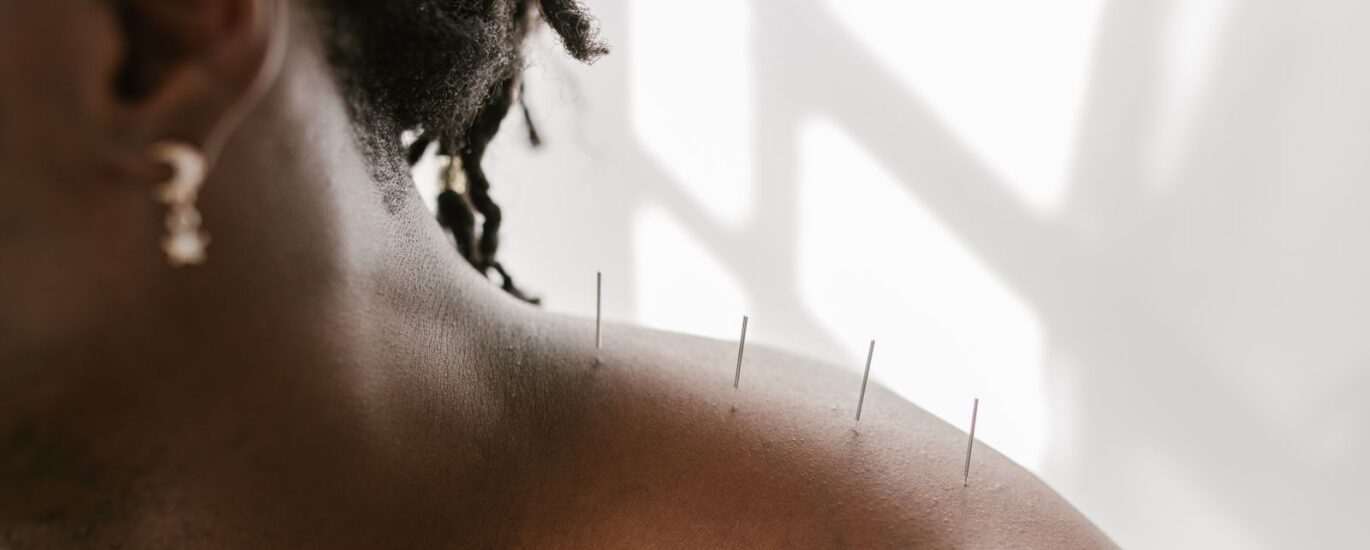
Acupuncture is the part of TCM with the best scientific support in cancer care. International supportive-care guidelines recommend it for chemotherapy-related nausea and vomiting, and there is reasonable evidence it can also help with:
- Dry mouth after head and neck radiotherapy — a meta-analysis of 11 randomised trials (1,271 patients) found acupuncture improved salivary flow and dry-mouth symptoms.
- Cancer-related fatigue, pain, hot flushes and poor sleep — modest but real benefits in pooled studies.
Acupuncture does not interfere with radiotherapy itself. During treatment, a few precautions apply:
- Use a registered TCM practitioner (in Singapore, TCM practitioners are registered with the TCM Practitioners Board).
- No needles in the treatment area — irradiated skin is fragile, and needling through it risks infection and poor healing. Needling a tumour site is also avoided.
- Tell the practitioner if your blood counts are low (a common effect of chemotherapy) — treatment may need to be postponed.
- Needles should always be single-use and sterile.
Verdict: generally fine during radiotherapy, with the precautions above.
Tai chi, qigong and gentle exercise
Gentle movement practices such as tai chi and qigong are safe during radiotherapy, and studies in cancer patients show benefits for fatigue, sleep and quality of life — consistent with what we know about exercise during treatment generally. Keep the intensity gentle, and avoid vigorous practice over a treatment area that is sore or where the skin is broken.
Verdict: fine — encouraged, within your energy levels.
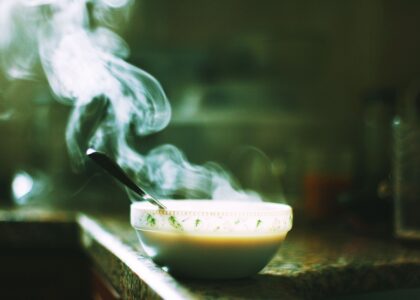
Herbal medicines: where the real caution lies
This is the part that needs care. Herbal formulas are pharmacologically active — that is precisely why people take them — and during radiotherapy (especially with chemotherapy) four problems can arise:
1. Interactions with your cancer drugs.
Many herbs change how the liver processes medicines (the CYP enzyme system) or add to their effects. A well-documented example is dan shen (丹参, Salvia miltiorrhiza), which strengthens warfarin and increases bleeding risk. Similar interaction concerns exist with chemotherapy drugs, hormone therapies such as tamoxifen, and blood thinners. An interaction can make your treatment less effective — or more toxic.
2. Liver and kidney strain.
Some herbs can injure the liver or kidneys. A commonly used example is he shou wu (何首乌, Polygonum multiflorum), which is repeatedly linked to liver injury and carries a mandatory warning label in Singapore. During cancer treatment your liver and kidneys are already working hard clearing chemotherapy drugs; adding a second strain — or a liver injury that forces treatment delays — is a genuine problem, not a theoretical one.
3. The antioxidant question — specific to radiotherapy.
Radiotherapy kills cancer cells partly by generating free radicals. Very high doses of antioxidants could, in theory, shield cancer cells from exactly that mechanism. This is not just theory: in a randomised trial of 540 head and neck cancer patients having radiotherapy, those given high-dose vitamin E and beta-carotene supplements had more recurrences while taking them — the harm was clearest in patients who smoked during treatment. A 2025 systematic review of antioxidant supplements during radiotherapy reached the same cautious conclusion: possible relief of some side effects, but a real possibility of reduced tumour control.
This applies to concentrated supplements and strong antioxidant herbal preparations — not to normal food. Eating vegetables and fruit during treatment is good for you; please do.
4. Product quality.
In Singapore, Chinese proprietary medicines are regulated by the Health Sciences Authority (HSA): products are tested, heavy-metal limits are enforced, and some dangerous herbs — such as those containing aristolochic acid, which causes kidney failure and urinary tract cancers — are banned outright. But products bought overseas or from unregulated sellers have repeatedly been found adulterated with steroids, painkillers and other undeclared drugs. Buy only HSA-listed products from reputable sources.
What about studies suggesting herbs reduce radiotherapy side effects?
A number of trials, mostly from China, report that certain herbal formulas reduce side effects such as lung inflammation after chest radiotherapy or sore throat and swallowing pain after neck radiotherapy. These results are interesting, but the studies are generally small, at high risk of bias, and not consistent enough for us to recommend specific formulas. If a formula genuinely protected normal tissue without protecting the tumour, that would be valuable — it has not yet been proven to the standard we would need.
Verdict: do not start or continue oral herbal formulas during radiotherapy — especially during chemoradiation — unless your oncology team has reviewed the exact product. Bring the packaging; we are happy to look.
On the skin: creams, oils and moxibustion
- Do not apply thick herbal creams, oils or plasters over the treatment area just before a radiotherapy session — a thick layer can act like extra tissue (“bolus”) and increase the skin dose.
- Herbal preparations on radiation-reactive skin can irritate it further, and it becomes hard to tell what is radiation reaction and what is a reaction to the product. Ask us before applying anything to the treatment area.
- Moxibustion (burning moxa near or on the skin) should never be done over a radiotherapy field — irradiated skin burns easily and heals slowly.
Verdict: keep the treatment area clear unless we have agreed a product with you.
A simple summary
| Generally fine | Ask your oncology team first | Avoid during treatment |
|---|---|---|
| Acupuncture (registered practitioner, not in the treatment area) Tai chi / qigong, gentle exercise Normal amounts of herbs and ingredients in food | Any oral herbal formula you are already taking Herbal products for a specific side effect TCM during breaks in treatment or after treatment ends | Starting new herbal formulas during chemoradiation High-dose antioxidant supplements (e.g. high-dose vitamin E, beta-carotene, concentrated “antioxidant” formulas) Moxibustion or herbal plasters over the treatment area Products bought overseas or from unregulated sellers Anything that promises to cure cancer or replace radiotherapy |
The rule that makes all of this easy
Tell us everything you are taking — herbs, supplements, tonics, teas — and bring the products or a photo of the labels to your appointment. You will not be scolded. Many patients use TCM, and our job is to make sure it works with your treatment, not against it. If something needs to pause during radiotherapy, it can usually restart after treatment, when the interaction and organ-strain concerns are much smaller.
This page is general information only and is not a substitute for advice from your own treating team.
References
- Bairati I, Meyer F, Gélinas M, et al. A randomized trial of antioxidant vitamins to prevent second primary cancers in head and neck cancer patients. J Natl Cancer Inst 2005;97:481–488. doi:10.1093/jnci/dji095 — and follow-up analyses showing increased recurrence with supplementation during radiotherapy, particularly in patients smoking during treatment.
- The influence of antioxidant supplementation on adverse effects and tumor interaction during radiotherapy: a systematic review. PMC 2025 (PMC12279893).
- Tsai R-Y, Lin S-Y, Chen C-C. Efficacy of acupuncture in managing radiation-induced xerostomia: an updated meta-analysis (11 RCTs, 1,271 participants). 2025.
- Acupuncture in cancer care: a narrative review. Rev Assoc Med Bras 2024;70(Suppl 1):e2024S101.
- Health Sciences Authority (Singapore). Health Supplements Guidelines (Nov 2024) and Guidelines on Prohibited and Restricted Ingredients in Health Supplements and Traditional Medicines (Oct 2025).
- Koh H-L, et al / Singapore Medical Association. Did the herb cause this? Myths and facts about Chinese herbs. SMA News 2019.