
This article is general information only. It does not replace advice from your own care team.
Radiotherapy to the head and neck area can affect your mouth, teeth, gums and saliva. Even if your treatment is not to the head and neck, a dry or sore mouth can make eating difficult during treatment. Good oral care during radiotherapy helps keep your mouth comfortable, lowers the chance of infection, and protects your teeth.
Why your mouth needs extra care
Radiotherapy can make the lining of the mouth sore and more likely to develop ulcers. It can also reduce saliva — and saliva protects your teeth, so a dry mouth raises the risk of tooth decay. Taste changes are common too. These effects usually build up gradually during treatment, and the mouth slowly recovers after treatment ends, although dryness can last longer for some people.
Before treatment starts
If you are having radiotherapy to the head and neck, tell your team if you have not seen a dentist recently. A dental check before treatment is often arranged, so that any teeth problems can be dealt with first. Tell your team about any mouth ulcers, loose teeth, dentures that do not fit well, or bleeding gums.
Daily care during treatment
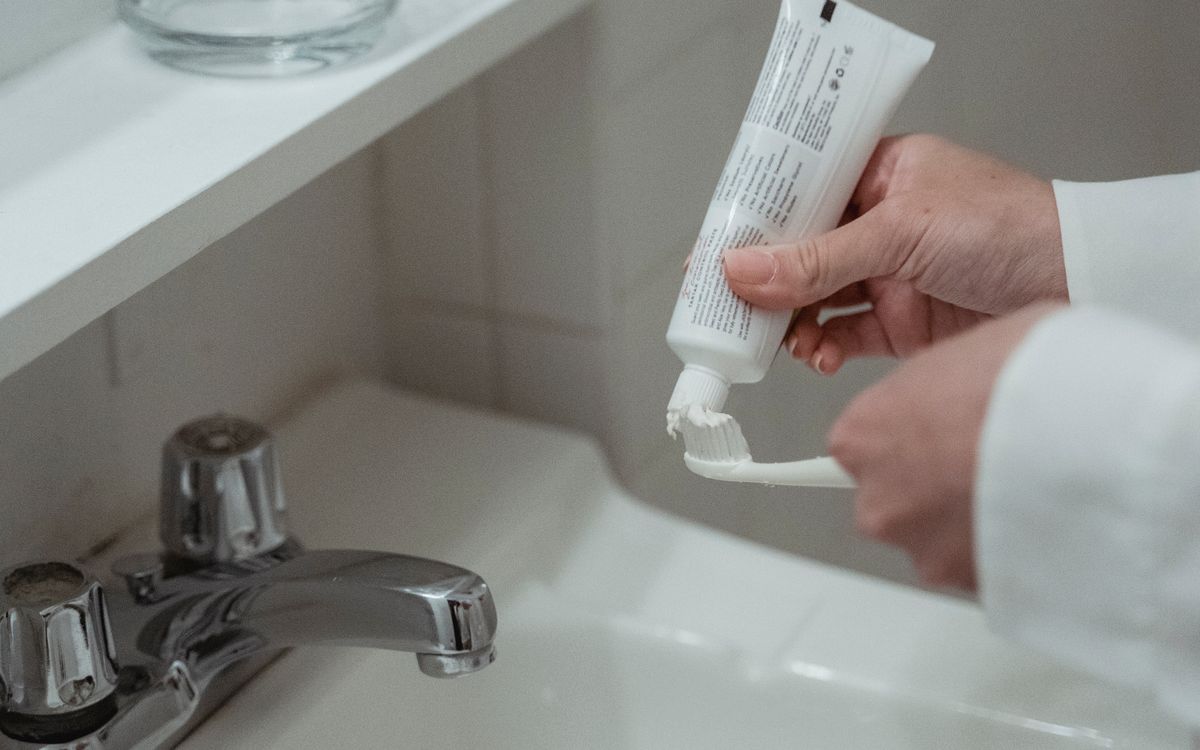
Brush gently twice a day with a soft toothbrush and fluoride toothpaste. If a normal brush hurts, an extra-soft brush may be kinder. Spit, but do not rinse with water straight after brushing, so the fluoride stays on your teeth longer. Rinse your mouth regularly with plain water, or with a salt or bicarbonate rinse your team recommends. This keeps the mouth clean and soothes soreness. Avoid alcohol-based mouthwashes, which can sting and dry the mouth. Keep your lips moisturised with a simple lip balm. If you wear dentures, take them out if your mouth is sore, clean them daily, and leave them out overnight.
Dry mouth
Sip water often, and keep a bottle with you. Sucking ice chips or sugar-free sweets, or chewing sugar-free gum, can help saliva flow. Avoid sugary drinks and snacks between meals — with less saliva, sugar does more damage to teeth. Ask your team about saliva substitutes if dryness is troublesome.
Eating when your mouth is sore
Choose soft, moist foods, and add sauces or gravies. Avoid very hot, spicy, sour, crunchy or sharp foods while your mouth is sore. Do not smoke, and avoid alcohol — both irritate the mouth and slow healing.
Protecting your teeth after treatment
If your radiotherapy included your salivary glands, your teeth will need lifelong extra protection: daily fluoride (your team may suggest a high-fluoride toothpaste or fluoride gel), regular dental check-ups, and telling every dentist you see that you have had radiotherapy to the jaw area. Tooth extractions in a jaw that has had radiotherapy need specialist advice first, because healing can be slower.
When to call your care team
Call your team if you have mouth pain that is not settling, ulcers that stop you eating or drinking, white patches or bleeding in the mouth, a temperature, or if you cannot open your mouth as wide as before. There is a separate article on this site — When to Call Your Care Team During Radiotherapy — with more detail.
Looking after your mouth takes only a few minutes a day, and it makes treatment easier to get through. If you are unsure about any product, check with your care team before using it.
This article is general information only. It does not replace advice from your own care team.