General information only — not medical advice. Please follow your own treating team’s advice, especially if you have diabetes, kidney problems, allergies, or other medical conditions.
Finishing radiotherapy is a big moment. Many people expect their appetite and energy to bounce straight back. For some, it does. For others, it takes weeks or months — and that is normal.
Your body has been through a lot. Eating well after treatment is about rebuilding strength, gradually, without pressure to be perfect.
How long does it take for appetite to return?
It varies. Taste, appetite, and swallowing often improve slowly after treatment ends. Skin, mouth, and bowel effects also need time to settle.
If you are still struggling to eat a few weeks after treatment, tell your team. They can check whether something else is going on, and whether a dietitian or other support would help.
Getting back to a balanced diet
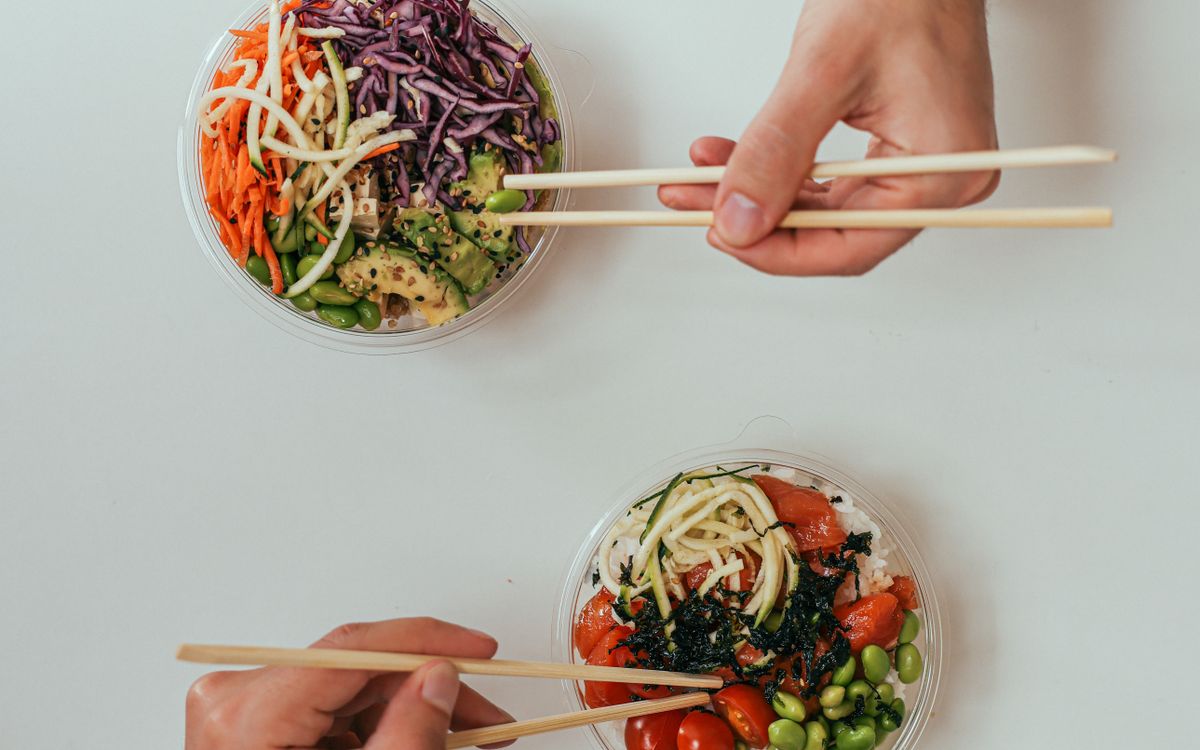
There is no single “after cancer” diet that suits everyone. A good general aim, once you are able to eat normally again, is:
- Plenty of vegetables and fruit, in different colours.
- Wholegrains — rice, wholemeal bread, oats, noodles — for energy and fibre.
- Protein at most meals — fish, chicken, eggs, tofu, beans, lentils, dairy, or nuts.
- Healthy fats — for example, olive oil, or oily fish.
- Plenty of fluids.
You do not need to eat this way every day to benefit. Small, steady steps are enough.
If you lost weight during treatment, your team may want you to keep eating extra protein and energy for a while, until your weight and strength recover. If you gained weight, they may suggest a gradual return to a balanced diet rather than a strict diet. Ask what is right for you.
Rebuilding strength
Food alone is not the whole story — gentle movement helps too, and is covered in our exercise article. But for eating:
- Try to eat regularly, rather than skipping meals.
- Include protein at breakfast, lunch, and dinner, not just at one meal.
- If your appetite is still small, keep using the “little and often” approach from during treatment.
- If you still need nutritional supplement drinks, ask your team when to stop them — there is no rush, and stopping too early can slow recovery.
What about “cancer diets”?
You may come across diets that claim to prevent cancer coming back, or to “starve” cancer. Examples include very low-carbohydrate diets, juice-only diets, alkaline diets, and diets that cut out whole food groups.
We do not have good evidence that any of these diets prevents cancer from returning, or improves survival after radiotherapy. What we do know is that very restrictive diets can lead to weight loss, low energy, and missing important nutrients — which can slow recovery.
That does not mean food does not matter. A balanced diet, keeping a healthy weight, not smoking, limiting alcohol, and staying active are all linked to better health after cancer. But they work together, and no single food or diet can do it alone.
Supplements — what to be cautious about
Supplements are a common question after treatment. A few points:
- A standard multivitamin is usually not a problem for most people, but check with your team first.
- High-dose vitamins, herbal products, and “immune-boosting” supplements are not proven to help after radiotherapy, and some can interfere with medicines or affect your liver or kidneys.
- Some supplements can increase bleeding risk, or interact with blood thinners or other medicines.
- If you have a proven deficiency — for example, low vitamin D, iron, or vitamin B12 — your team can test for it and advise on the right dose.
Please tell your team about any supplements, herbal medicines, or traditional remedies you are taking, or thinking of taking. They are not judging you — they need to check for interactions.
If eating is still difficult
Some effects linger. Tell your team if:
- Swallowing is still painful or difficult.
- Your mouth is still very dry, or food still tastes very different.
- You have ongoing diarrhoea, bloating, or bowel changes.
- You are still losing weight, or cannot regain weight.
- You feel anxious about eating, or have lost interest in food.
These are common after radiotherapy, and there are ways to help — from dietitian support to swallowing exercises, saliva substitutes, or bowel advice. You do not have to just live with it.
Food, mood, and social life
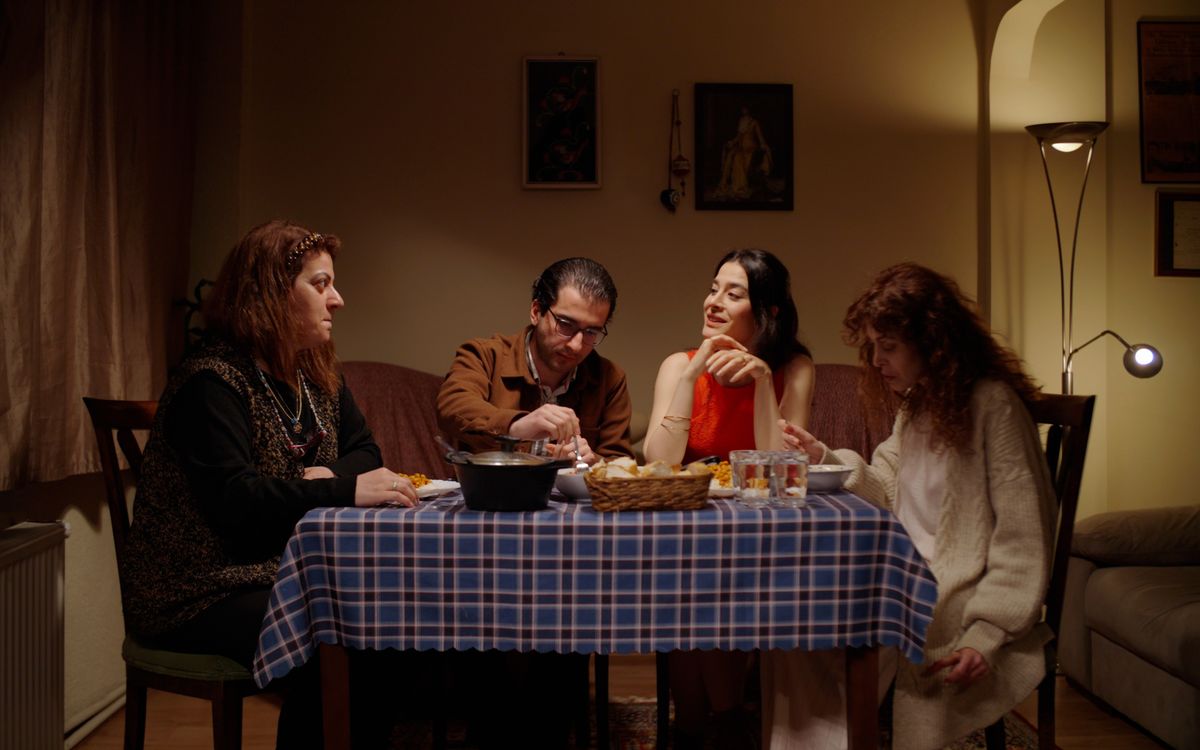
Food is not only about nutrients. Sharing a meal, cooking for family, or eating out can be part of feeling like yourself again.
If you feel nervous about eating out, or about foods you used to enjoy, start small — a short lunch with a close friend, or a favourite dish at home. If eating feels stressful, talking to your team, a dietitian, or a counsellor can help.
A gentle way forward
- Aim for balanced, regular meals — not a perfect diet.
- Keep protein and fluids up while you are recovering.
- Be cautious about restrictive diets and high-dose supplements — ask first.
- Tell your team if eating is still hard, or if you are losing weight.
You have finished treatment. Recovery takes time, and eating well is one steady way to support it.
This article is general information for patients and families. It does not replace advice from your own doctor, nurse, radiographer, or dietitian. If you are unsure about what is safe for you, please ask your treating team.