General information only — not medical advice. Please follow your own treating team’s advice, as skin care advice can vary with the treatment area and dose.
Skin changes are one of the most common effects of radiotherapy. The skin in the treated area may become pink, warm, dry, itchy, or sore — a bit like sunburn. For some people it peels, or becomes more tender. These changes usually start 2–3 weeks into treatment, are strongest near the end and just after, and then settle over a few weeks.
Good skin care will not prevent all skin changes, but it can help keep your skin comfortable, and reduce the risk of it becoming more sore or infected.
Washing
- Wash the treated area gently, once a day, with lukewarm water and a mild, fragrance-free soap or wash, if your team advises it.
- Use your hand, not a flannel or sponge, and do not scrub.
- Pat dry gently with a soft towel — do not rub.
- Do not use very hot water, and avoid long hot showers or baths on the treated area.
If your team has given you specific washing instructions, follow those — they know your treatment area best.
Moisturising
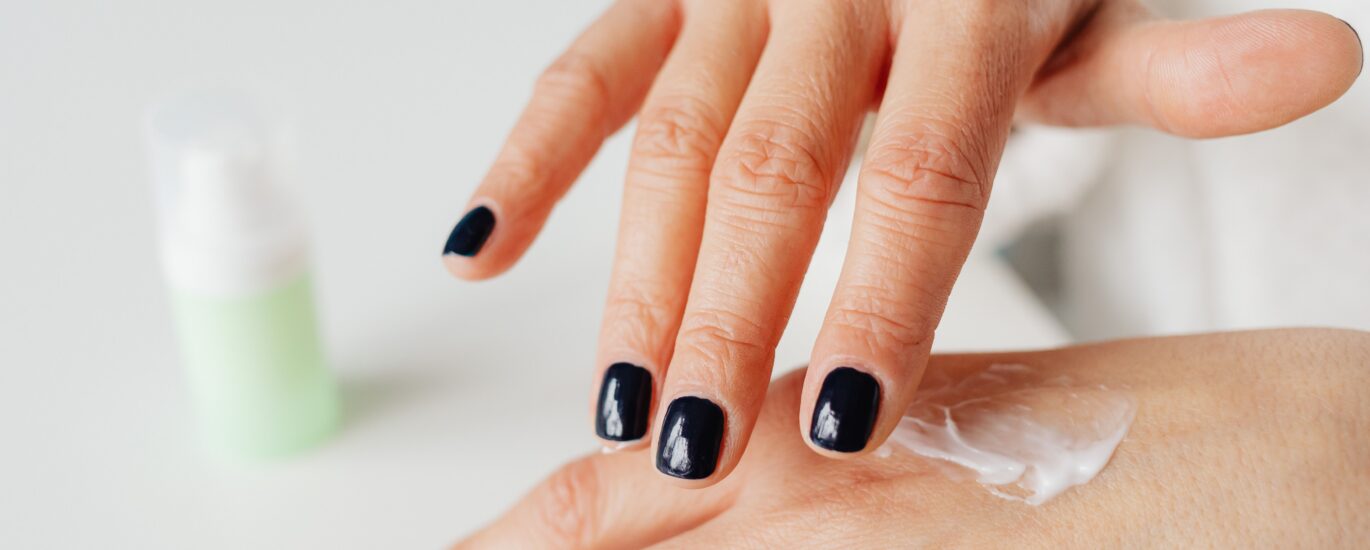
- Moisturise the treated area as advised by your team. Many teams suggest a simple, fragrance-free moisturiser, applied gently once or twice a day.
- Apply it in light strokes, in the direction of hair growth if you can, and do not rub hard.
- Use it on intact skin. Do not apply moisturiser to broken, blistered, or weeping skin unless your team tells you to.
- Ask your team which moisturiser they recommend — some products are better suited to radiotherapy skin than others.
Do not start a new cream, oil, or lotion on the treated area without checking with your team first.
What to avoid on treated skin
- Perfumed soaps, lotions, deodorants, or sprays on the treated area.
- Talcum powder, unless your team advises it.
- Adhesive tape, plasters, or sticky dressings on the treated area.
- Shaving the treated area with a razor, unless your team says it is safe — an electric shaver is often gentler, but check first.
- Hot water bottles, heat pads, or ice packs on the treated area.
- Tight clothing that rubs the treated area. Loose, soft, natural fabrics are usually more comfortable.
- Swimming in chlorinated pools, or in the sea, while skin is sore — ask your team when it is safe to swim again.
- Strong sun on treated skin — see below.
Sun protection
Treated skin is more sensitive to sun, during treatment and for months or years afterwards.
- Keep treated skin covered or in the shade, especially in the middle of the day.
- Wear loose clothing that covers the area, and a hat if the treated area is on the head or neck.
- Ask your team when it is safe to use sunscreen on the treated area, and which type to use.
- Do not use sunbeds or tanning lamps on treated skin.
If skin becomes sore, broken, or blistered
- Tell your team promptly — do not wait for your next appointment.
- Keep the area clean and dry, and do not apply creams, dressings, or home remedies unless your team advises it.
- Wear loose clothing, and avoid anything that rubs.
- If skin weeps, bleeds, or smells different, or you develop a fever, tell your team the same day — these can be signs of infection.
Your team may suggest a dressing, a different cream, or a short break in treatment if skin becomes very sore. They will explain what is best for you.
Marks and tattoos
Your radiographers may draw small marks on your skin, or place tiny permanent tattoo dots, to help position you accurately for treatment. These are part of your treatment plan.
- Do not wash off the pen marks unless your team tells you to.
- If a mark fades, tell your radiographers — they can re-draw it.
- The tattoo dots are very small, and are used to line up treatment. If you have concerns about them, talk to your team before treatment starts.
After treatment ends
- Skin usually settles over 2–4 weeks, but it may stay a little darker, drier, or more sensitive for longer.
- Keep moisturising as advised, and keep protecting the area from strong sun.
- If skin is still very sore, broken, or not healing a few weeks after treatment, tell your team.
A simple daily routine
- Wash gently with lukewarm water and a mild wash.
- Pat dry, do not rub.
- Moisturise as advised, on intact skin only.
- Wear loose, soft clothing.
- Protect from sun.
- Tell your team early if skin becomes sore, broken, or blistered.
This article is general information for patients and families. It does not replace advice from your own doctor, nurse, or radiographer. If you are unsure about what is safe for you, please ask your treating team.