
General information only — not medical advice. Please follow your own treating team’s advice.
Fatigue is one of the most common effects of radiotherapy. It is not just feeling tired after a busy day. It is a deep, heavy tiredness that rest does not always fix, and that can make even simple tasks feel hard.
If you feel this way, you are not alone, and you are not being lazy. Fatigue during cancer treatment is real, and it is not a sign that you are coping badly.
Why does it happen?
Fatigue during radiotherapy can have several causes, often together:
- The treatment itself, and your body repairing the treated area.
- Poor sleep, pain, or anxiety.
- Low appetite, or not eating or drinking enough.
- Low blood counts, if you are also having chemotherapy, or if a large area is being treated.
- Other medical conditions, or medicines.
- The emotional strain of treatment, travel, and waiting.
Your team can check for causes that can be treated, such as low iron, thyroid changes, or poor sleep. Tell them if fatigue is severe, or getting worse.
How fatigue usually changes over time
- It often starts gradually, in the first 1–2 weeks.
- It usually builds up over the course of treatment.
- It is often strongest in the last week, and in the 1–2 weeks after treatment ends.
- For most people it eases over weeks to months after treatment, but it can take time.
Everyone is different. Some people feel only mildly tired. Others feel very tired for a while. Both are normal.

Pacing — doing a little, often
Pacing means spreading activity through the day, with rests in between, rather than doing everything at once and then needing a long recovery.
- Plan your day around when you have most energy — for many people that is in the morning.
- Break tasks into smaller steps. For example, do one load of laundry, rest, then do the next.
- Do the most important thing first, and let less important things wait.
- Rest before you feel exhausted, not only after.
- Keep a simple note of what leaves you most tired, and what helps — it can help you and your team plan.
Gentle movement can help
It sounds strange, but gentle movement often helps fatigue more than resting all day. Short walks, gentle stretching, or light activity, as described in our exercise article, can help with energy, mood, and sleep.
Start small — a few minutes at a time — and build up gradually. On very tired days, do less. That is still progress.
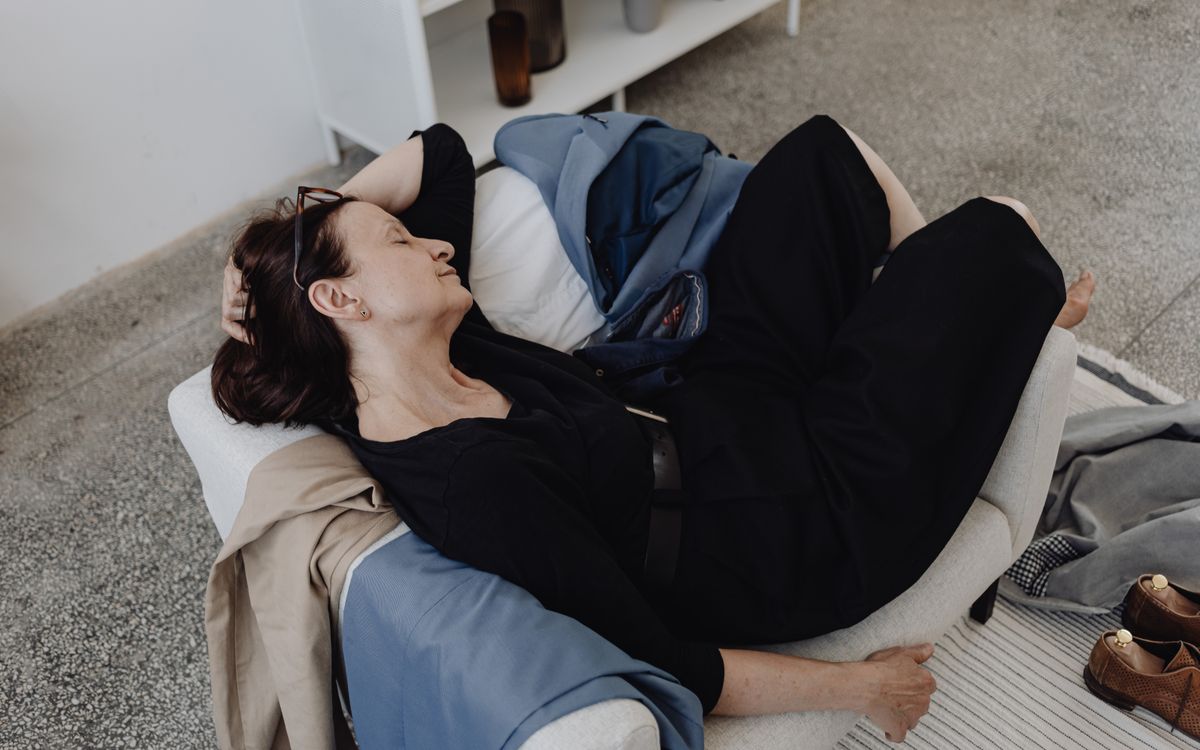
Sleep and rest
- Keep a regular sleep and wake time if you can.
- Get daylight and gentle movement during the day.
- Keep naps short — for example, under 30 minutes, and not late in the day — so they do not affect night sleep.
- Rest during the day if you need to, but try to avoid spending the whole day in bed, as that can make fatigue worse over time.
If sleep is a big problem, tell your team. See also our lifestyle article for more sleep tips.
Eating and drinking
- Eat regularly, even if only small amounts. Skipping meals can make fatigue worse.
- Drink enough fluids through the day.
- If you are losing weight, or eating very little, tell your team — a dietitian can help.
Mood, anxiety, and low mood
Fatigue and low mood often go together. Feeling low can make you feel more tired, and feeling tired can make you feel low.
- Talk to someone you trust, if you can.
- Keep in touch with friends and family, even in small ways.
- If low mood, anxiety, or poor sleep last for more than a couple of weeks, or stop you from eating, sleeping, or doing daily activities, tell your team. Support is available.
Practical tips for daily life
- Accept help with shopping, cooking, cleaning, or childcare if it is offered.
- Use aids that save energy — for example, a shower chair, a trolley, or sitting down to prepare food.
- Plan travel to treatment with rest time afterwards, if you can.
- Keep a list of people to call if you need help, and keep it somewhere easy to find.
When to tell your team
Tell your team if:
- Fatigue is severe, or getting worse.
- You feel dizzy, very breathless, or have chest pain.
- You cannot eat or drink enough.
- You are sleeping very poorly, or sleeping all day and still feeling exhausted.
- Low mood or anxiety is making daily life hard.
They can check for other causes, adjust medicines, or refer you to a physiotherapist, dietitian, counsellor, or fatigue support programme.
After treatment
Fatigue often eases gradually after treatment ends, but it can take weeks to months. Be patient with yourself, and build activity up slowly. Set small, realistic goals — for example, walking a little further each week — rather than expecting to feel like your old self straight away.
This article is general information for patients and families. It does not replace advice from your own doctor, nurse, or radiographer. If you are unsure about what is safe for you, please ask your treating team.